Cologne
travel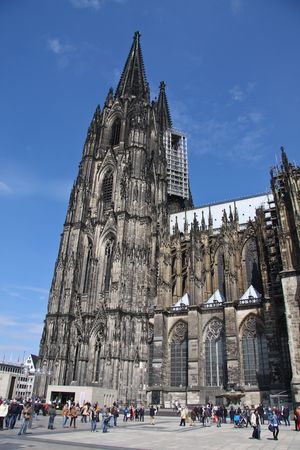
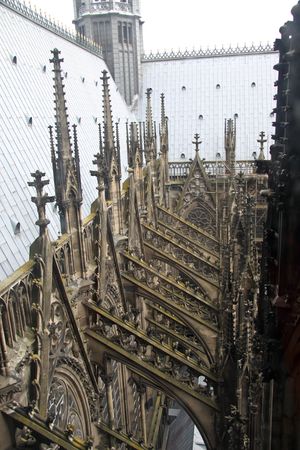
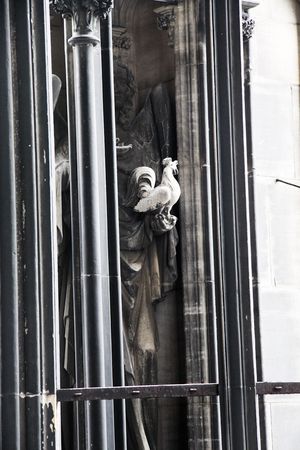
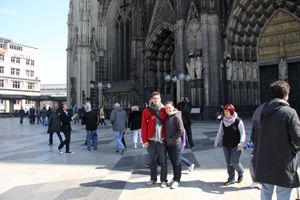
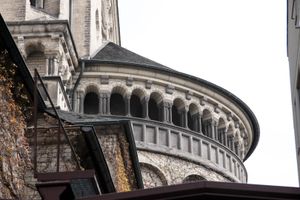
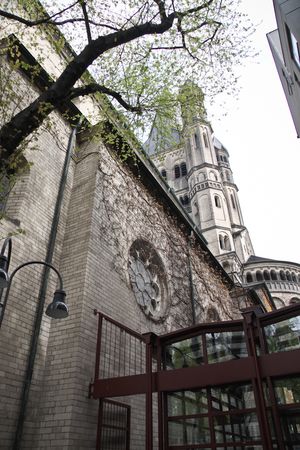
When you walk out of the Köln Hauptbahnhof (Cologne Central Station), it hits you like a frozen tuna in the face. Towering over you is this monster of a cathedral, brutal in its time-stained gothic beauty and dominating in its sheer size: Südturm des Kölner Domes. At 157.31m high (trust the Germans to measure it to the centimetre) it is a marvel of architecture and engineering and art, completely covered in intricate carvings of people, gargoyles, mouldings and embellishments, and nearly all out of sandstone, occasionally gilt in gold. Taking a photo with a 17mm lens, I had to go right to the edge of the large adjacent square to fit the whole building within the frame. Even today, there are only a handful of buildings in Cologne that are taller than the cathedral, and most of them some distance away.
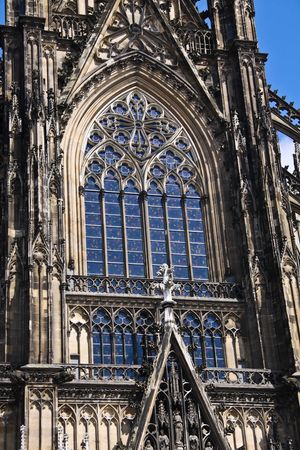
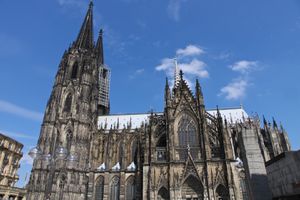
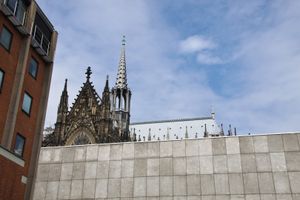
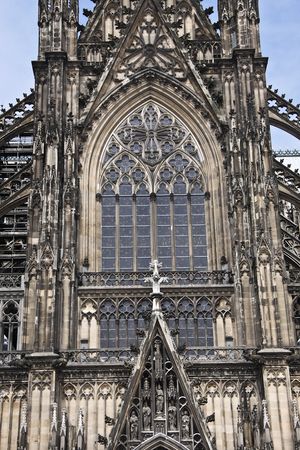
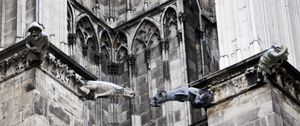
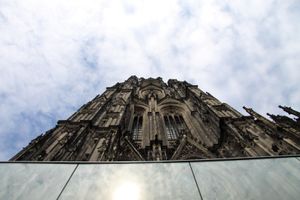
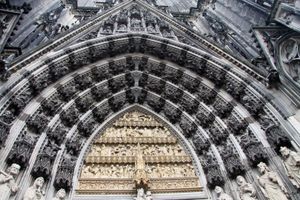
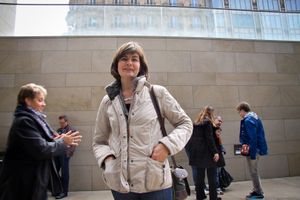
Matthias filled me in on a few details— the cathedral took 600 years to build (with the occasional pause along the way), being completed in the late 1800s. That's about three times the colonial history of Australia to build one building. For about 400 of those years the same crane was perched on top of one of the uncompleted spires. There must be millions of stones in the thing, all custom-carved, many of them with intricate shapes. Today it is constantly being repaired and restored in a race against the elements (and acid rain); the upper section one of the spires is half-surrounded in scaffolding that is perched on the side. It is not a job I would volunteer for.
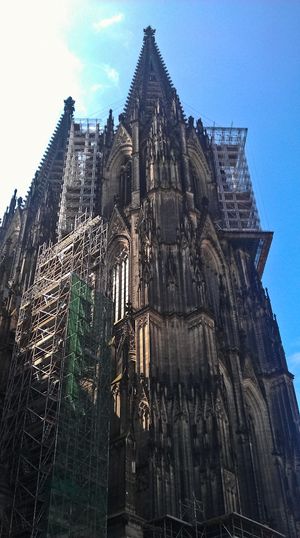
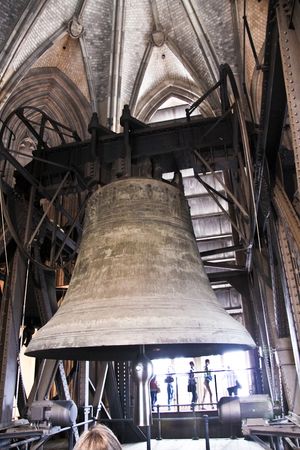
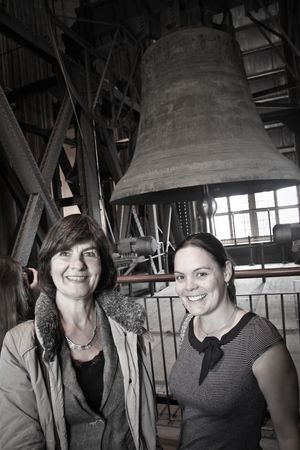
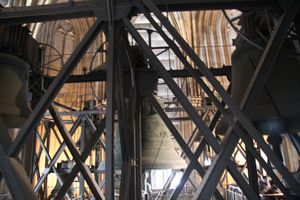
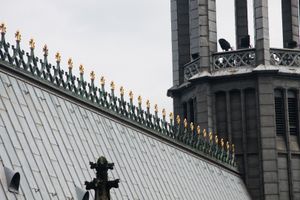
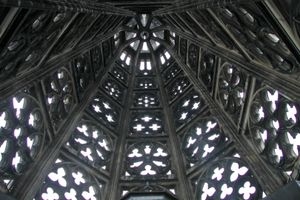
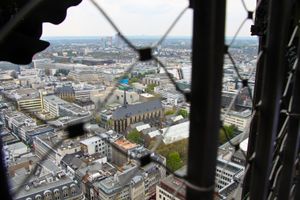
You can climb one of the spires for a nominal fee, up five hundred and something steps, past the bell tower with several enormous bells, to a platform with incredible views of the city, the main roof, and the other "little" churches in the surrounding area, from 97.25m. Yet from that height, when you look up, there is still a whole third of the height of the cathedral, a full 60m, arching above you. All the way up, whenever you get a glimpse of the outside, you see intricate detail. The craftsmanship is incredible.
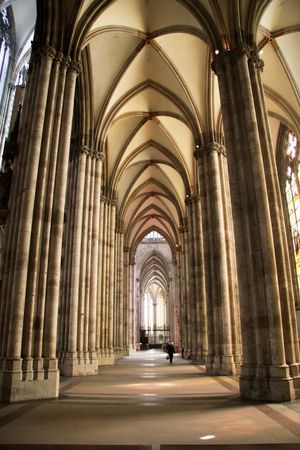
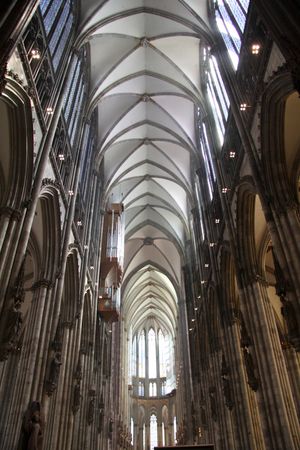
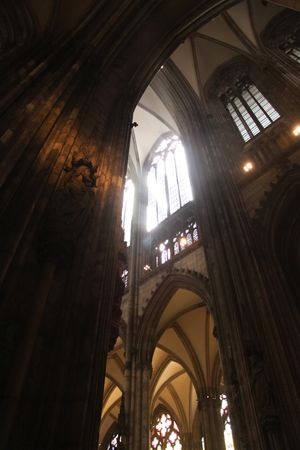
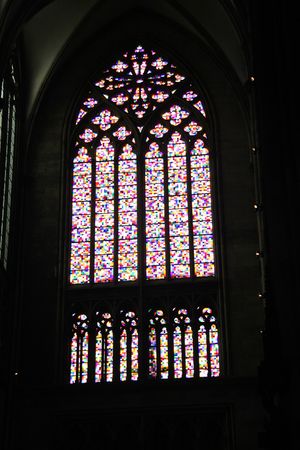
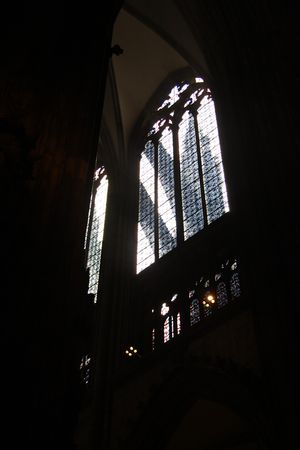
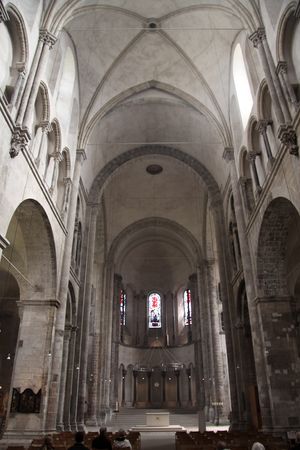
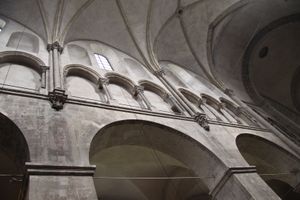
Inside, the church is equally impressive, with the finest mosaic floors (when I say fine, I mean literally— the tiles are tiny), vast vaulted ceilings, one of the two pipe organs suspended tens of metres overhead, and enormous stained glass windows that are sometimes partly shaded by the various spires outside. One such window, 20m high, was designed by artist Gerhard Richter, appears like square coloured pixels, rather than images of martyrs and saints; it is beautiful, if somewhat unusual, in such a traditional and ancient building. In a ring around the alter are a number of sarcophagi, presumably of bishops, with prostrate sculptures on the lids, some with dogs at their feet. There is also a gilded sarcophagus, the "Shrine of the Three Kings" or Dreikönigsschrein behind the altar. All of this artwork is beautiful, if somewhat extravagent. I hate to think how many people might have died in its construction, or how many hungry peasants were suffering and starving while all that gold and stone was being assembled into one giant monument to engineering and architecture God. But it is a beautiful place.
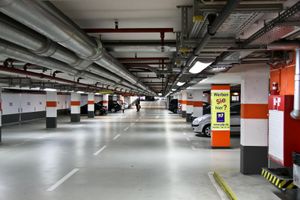
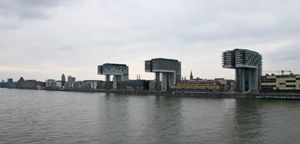
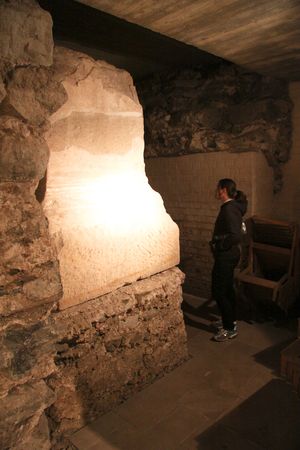
Beyond the cathedral there is an interesting mix of old and new— the beautiful old town hall with its ugly 70s extention; the modern "crane" buildings with ridiculous cantilevers overlooking the retired old wharf cranes that inspired them; the new Jewish museum project that is on hold because they found an ancient Jewish bath (i.e. a building, not a tub) when they were digging the foundations (apparently this is a common problem when building in Cologne, being an old Roman city that was gradually elevated over the ages to avoid flooding). Under the whole wharf precinct is a single-level underground carpark that goes for a couple of kilometres. You can order a taxi within the carpark to take you to your car.
Lunch was at a place called "Bona Me" (very romantic), a Turkish chain with tasty pides, soups and salads. We had some Kölsch beer, which is lighter than the Düsseldorfer beer, and served in a small thin glass. If you don't put your coaster on top of your glass when you finish it, the waiter assumes you want another one.
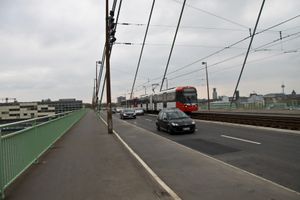
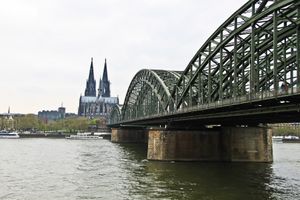
One thing that struck me when we were crossing one of the seven or eight bridges was the hierarchy of transport. In the centre of the bridge is the train line, which carries many people very fast. Next is the road, where cars carry a few people fairly quickly. Then the bike lane, with each bike taking one person fast-ish, and finally the pedestrian lane, which takes one person... at a walking pace.
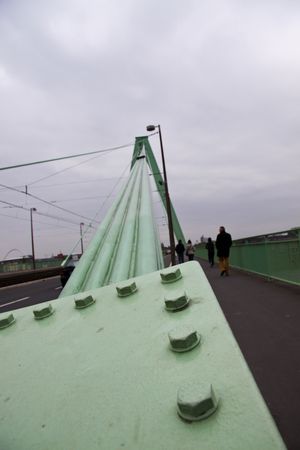
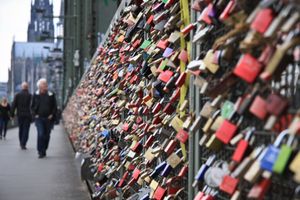
Crossing another bridge back— the main bridge that goes to the central station and the cathedral— we discovered that the padlock bridge in Frankfurt was nothing. The Rhein is considerably wider than the Main, and the fencing is completely covered in padlocks for most of the length of the bridge. Apparently lovers come and attach a lock (some of them enormous), then throw the key into the river. If you have a salvage boat and a big magnet, there's a lot of metal to be found at the bottom of the Rhein.
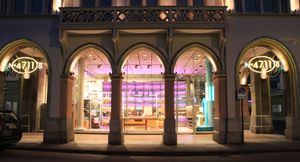
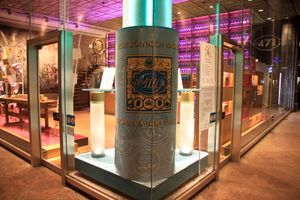
A couple more pubs later (and a few different beers) and we headed back to Wuppertal. We were hoping to buy some Cologne in Cologne, and we found the shop for the original "Kölnisch Wasser" (i.e. Eau de Cologne), but being a Sunday in Deutschland, alas the shops were closed. I guess we'll have to drop in again on our way back to Wuppertal at the end of June.
- Next: Queen's Day
- Previous: Frankfurt to Wuppertal